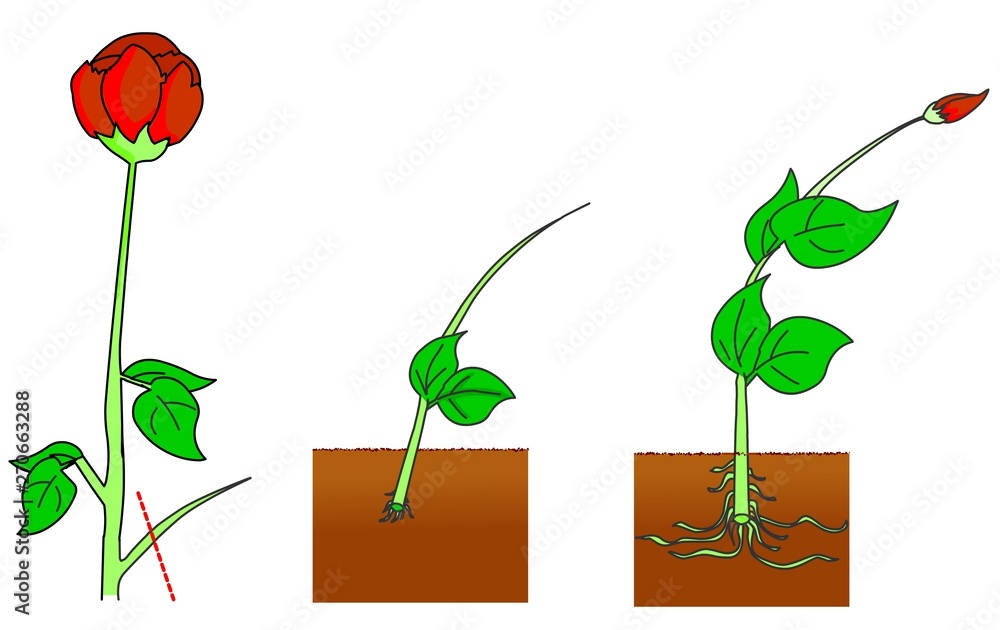
Stem Cutting Of Plants Sexual Or Asexual Asexual Reproduction In Plants Cutting
This propagation chapter from the extension gardener handbook explains how and why to grow new plants from seed (sexual reproduction) and from cuttings (asexual propagation). Many plants, such as ginger, onion, gladioli, and dahlia, continue to grow from buds that are present on the surface of the stem. Plant propagation learning objectives define sexual and asexual plant propagation
Asexual Reproduction In Plants Cutting
Describe various techniques for propagating plants When cuttings are taken, any flowers or flower buds are removed from the cutting to direct all of the plants energy. Identify the environmental factors affecting plant propagation.
- Espace De Récupération Cantonal Esrec De La Praille
- Buongiorno Buon Venerdi
- Park Café Kleine Schanze
Asexual propagation is the best way to maintain some species, particularly an individual that best represents that species
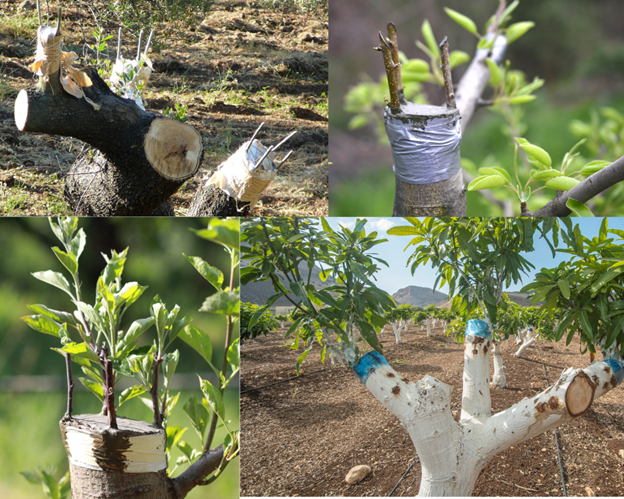
Clones are groups of plants that are identical to their one parent and that can only be propagated asexually. Tired of buying so many trees and shrubs to do it A possible alternative is to use stem cuttings from your current trees and shrubs to make more, a method known as asexual propagation Main types of asexual propagation cuttings grafting micropropagation cuttings cuttings are when a vegetative plant part is removed from one plant (parent plant) in order to create a new plant (daughter plant)
They can be taken from the stem (most common), the leaf or the root