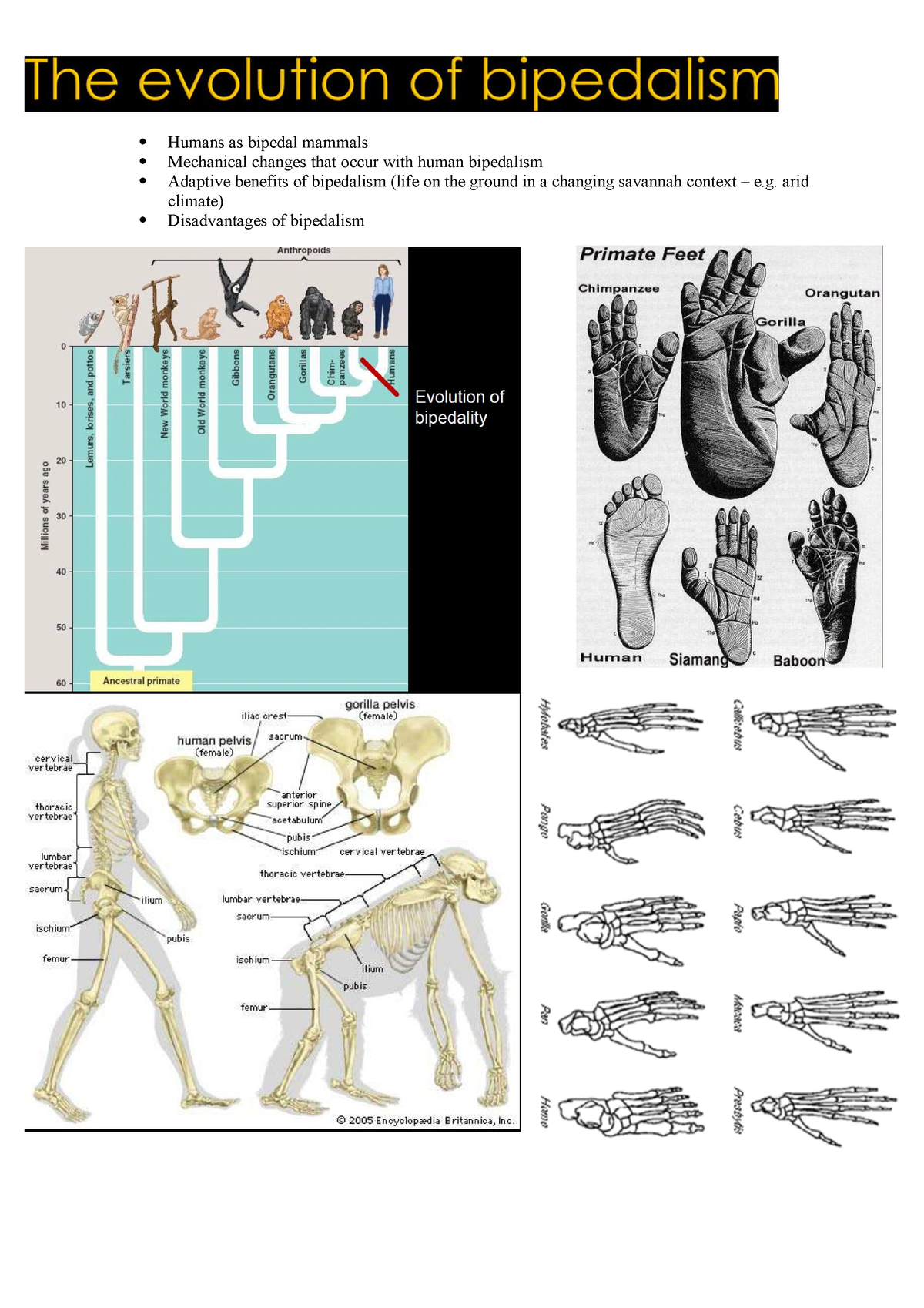
Are Humans The Only Bipedal Mammals Early+hominins+2 Humans As Bipedal Mammals Mechanical Changes That
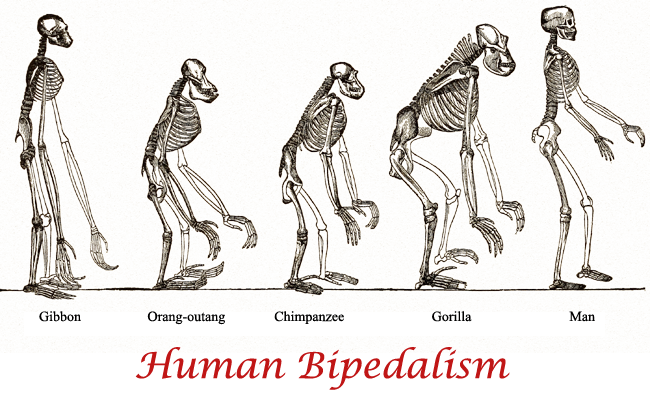
Humans aren’t the only creatures capable of bipedal locomotion, nor did bipedalism spring into existence out of nowhere In fact, bipedalism is now considered the first and most important trait that distinguishes humans from the other apes. Many mammals, including apes, monkeys, squirrels, bears, kangaroos, and even ground sloths, engage in forms of facultative bipedalism.
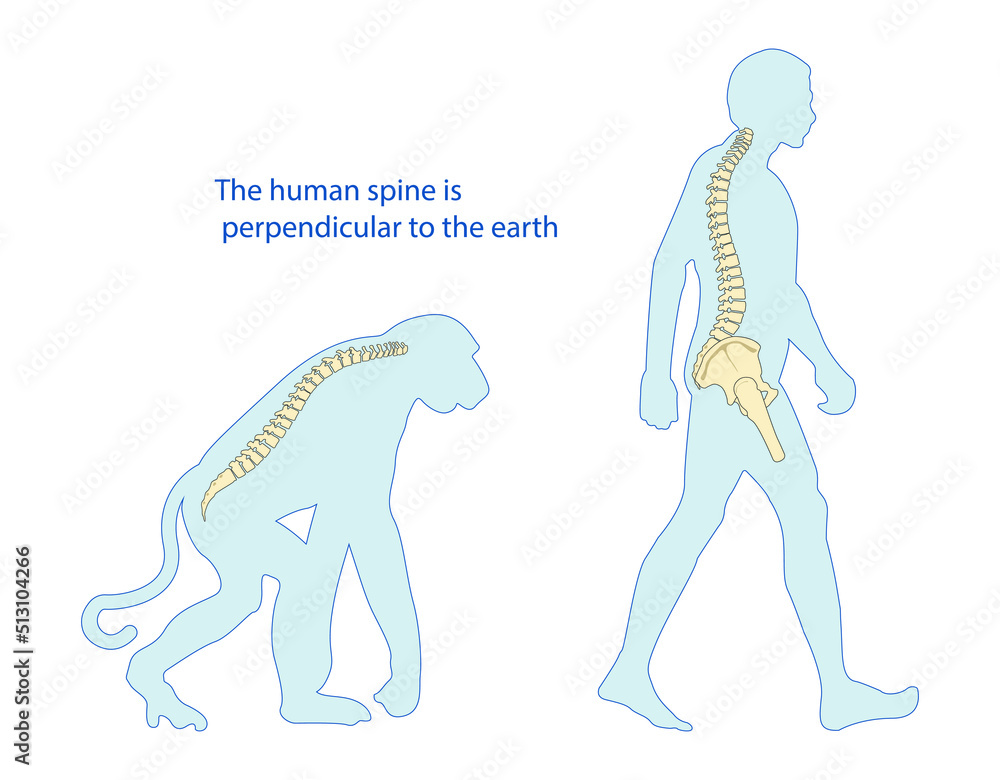
Vetor de illustration of biology and animals, human bipedal evolution
Humans walk on two legs, known as bipedality, which is unique to humans But the most recent findings show that bipedalism occurred very early in our history, before the savannahs appeared Other mammals, like dogs and cats, walk on all four legs, known as quadrupedalism
Some animals can stand or walk on two legs for a short time, and some birds are bipeds
Only humans and primates regularly walk on two legs. To define humans categorically as “bipedal” is not enough To describe them as habitually bipedal is nearer the truth, but habit as such does not leave its mark on fossil bones. Evolution works with what it has, and the bipedal human body remains a compromise
Perhaps the greatest cost was the restructuring of the birth canal A wider pelvis was needed for balance, but a narrower one made childbirth more difficult At the same time, the human brain was growing larger.